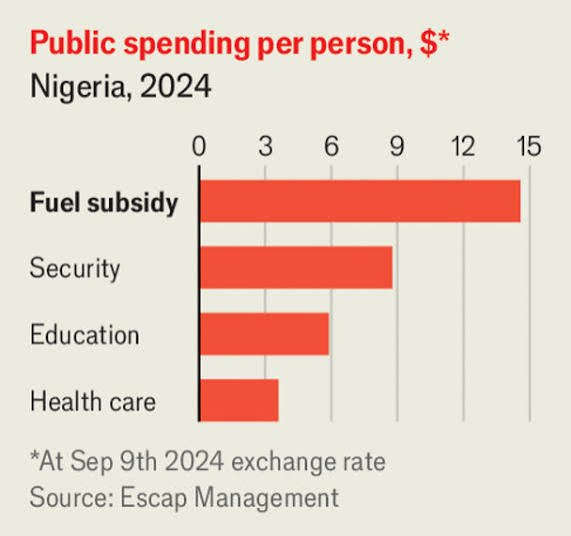
The concurrent implementation of fuel subsidy removal and foreign exchange market unification (currency devaluation) by the [Nigerian Government](https://fmino.gov.ng/tinubu-resetting-nigerias-economy-dr-alake/) fundamentally reshaped the nation’s economic landscape, trading acute fiscal collapse for a severe cost-of-living crisis. While these bold policy pivots successfully averted a historic “fiscal cliff,” they catalyzed massive inflationary shocks that heavily compressed private consumption. [1, 2, 3, 4]
## Short-Term Destabilization and Cost-of-Living Crisis
*
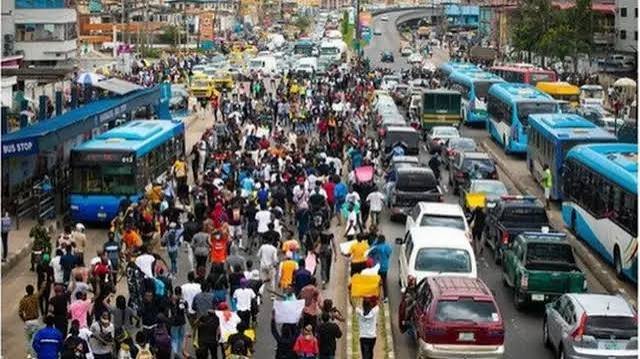
* Hyper-Inflationary Pressures: Scrapping the subsidy drove retail petrol prices from ₦180 to over ₦1,300 per liter, causing a massive pass-through effect into logistical operations and food distribution. Headline inflation peaked near 34.2% in mid-2024 before gradually cooling down to approximately 15.91%. [2, 5, 6, 7, 8]
* Severe Purchasing Power Erosion: The floatation of the currency devalued the Naira significantly, which drastically reduced the real value of household wages. Small and medium-sized enterprises (SMEs) faced skyrocketing operational expenditures, resulting in reduced profitability and widespread corporate downscaling. [1, 9, 10, 11, 12]
* Surging Public Debt Service: Paradoxically, the fiscal breathing room bought by ending the subsidy has been heavily consumed by ballooning debt-servicing costs. The depreciation of the Naira aggressively inflated the cost of servicing foreign-denominated obligations, leaving the federal budget rigid. [2, 13]
*
## Long-Term Structural Adjustments and Stabilization
*
* Substantial Fiscal Revenue Expansion: Removing the subsidy—which authorities estimate would have cost a ruinous ₦53 trillion under present global conditions—expanded raw state revenues. Gross collections rose exponentially from ₦12 trillion toward ₦40 trillion, bolstering the financial capacity of state and local governments. [14, 15]
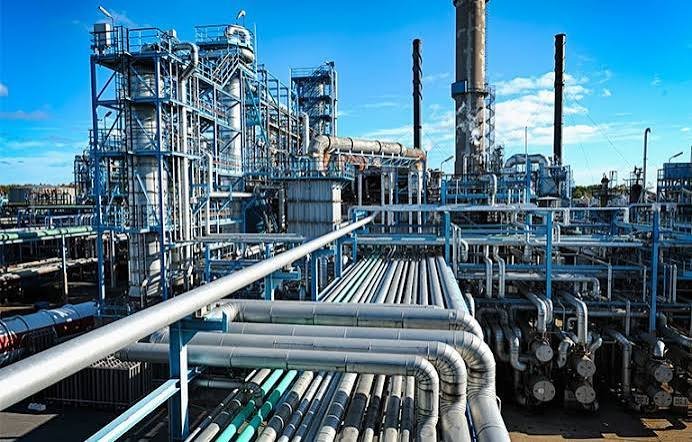
* Resurgence in Local Refining Capacity: Liberalizing downstream fuel prices eliminated artificial market distortions, directly incentivizing domestic production. Backed by crude-for-naira allocation frameworks with entities like the [Dangote Refinery](https://www.nigeriainfo.fm/news/homepagelagos/nigerias-economy-recovering-after-painful-reforms-nrs/), local refining output jumped from 30,000 barrels per day to roughly 700,000, turning Nigeria into a net exporter of petroleum products. [15, 16, 17, 18, 19]
* Macroeconomic Stabilisation and Growth Rebound: Following extreme volatility, tighter monetary policy by the [Central Bank of Nigeria](https://www.reuters.com/world/africa/nigerias-central-bank-sees-2026-growth-449-inflation-easing-1294-2025-12-30/) successfully stabilized the volatile foreign exchange window. Real GDP growth is expanding at a resilient 4.07%, underpinned by a steady increase in external reserves to $52.06 billion. [5, 20, 21, 22]
*