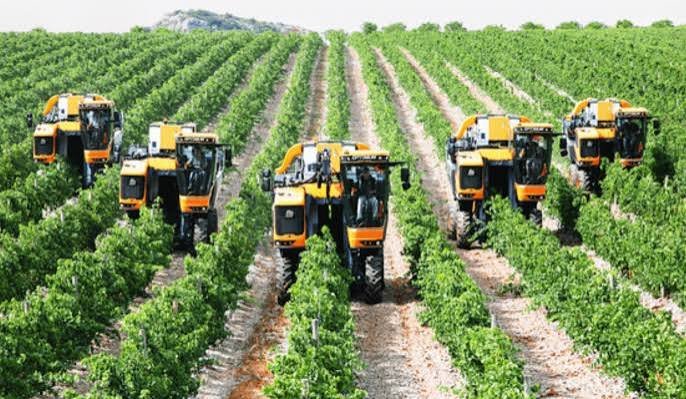
Nigeria’s agricultural sector is locked in a fierce, high-stakes race against time. The country possesses immense agricultural potential, yet it is simultaneously grappling with a historic, severe food security crisis. The nation must aggressively revolutionize its farming practices to nourish its rapidly expanding population.
The Scale of the Crisis
36.3 Million at risk: Incredible surges in inflation and conflict mean an estimated 36.3 million Nigerians face acute, crisis-level food insecurity.
Malnutrition hot spots: Ongoing regional instability heavily impacts the North and Middle Belt—traditionally Nigeria’s agricultural breadbaskets.
The Root Causes Forcing a Reset
The security tax: Pervasive banditry and insurgencies physically bar smallholder farmers from accessing their ancestral fields.
Climate shocks: Erratically timed droughts and extreme, recurrent flash floods wash out millions of hectares of arable farmland.
Post-harvest spoilage: Due to a critical lack of local storage and processing facilities, Nigeria loses an estimated 40% of its total food production before it ever reaches a consumer’s plate.
Climate-smart innovation: Introducing drought-resistant and high-yield seed varieties.
Digital agriculture: Providing real-time extension services to smallholder farmers via mobile networks.
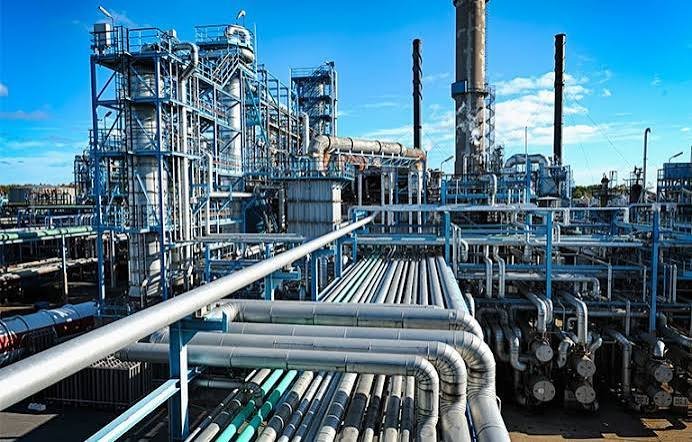
Value-chain investment: Building regional processing centers to eliminate post-harvest waste.
Nigeria’s path to true food security depends on seamlessly linking smallholder productivity with modern infrastructure. By unlocking the full capability of its vast arable land, the country can transform its agricultural vulnerabilities into a foundation for national wealth and economic stability.